Wine & Beverages · 15 November 2026 · 5 min read
What Is Bobal Wine, and Why Should International Buyers Consider It?
Meet the Spanish grape with a distinctive Manchuela identity, vibrant rosés, structured reds, and a useful story for discerning wine lists.
By SOURCED & CO. Editorial Team
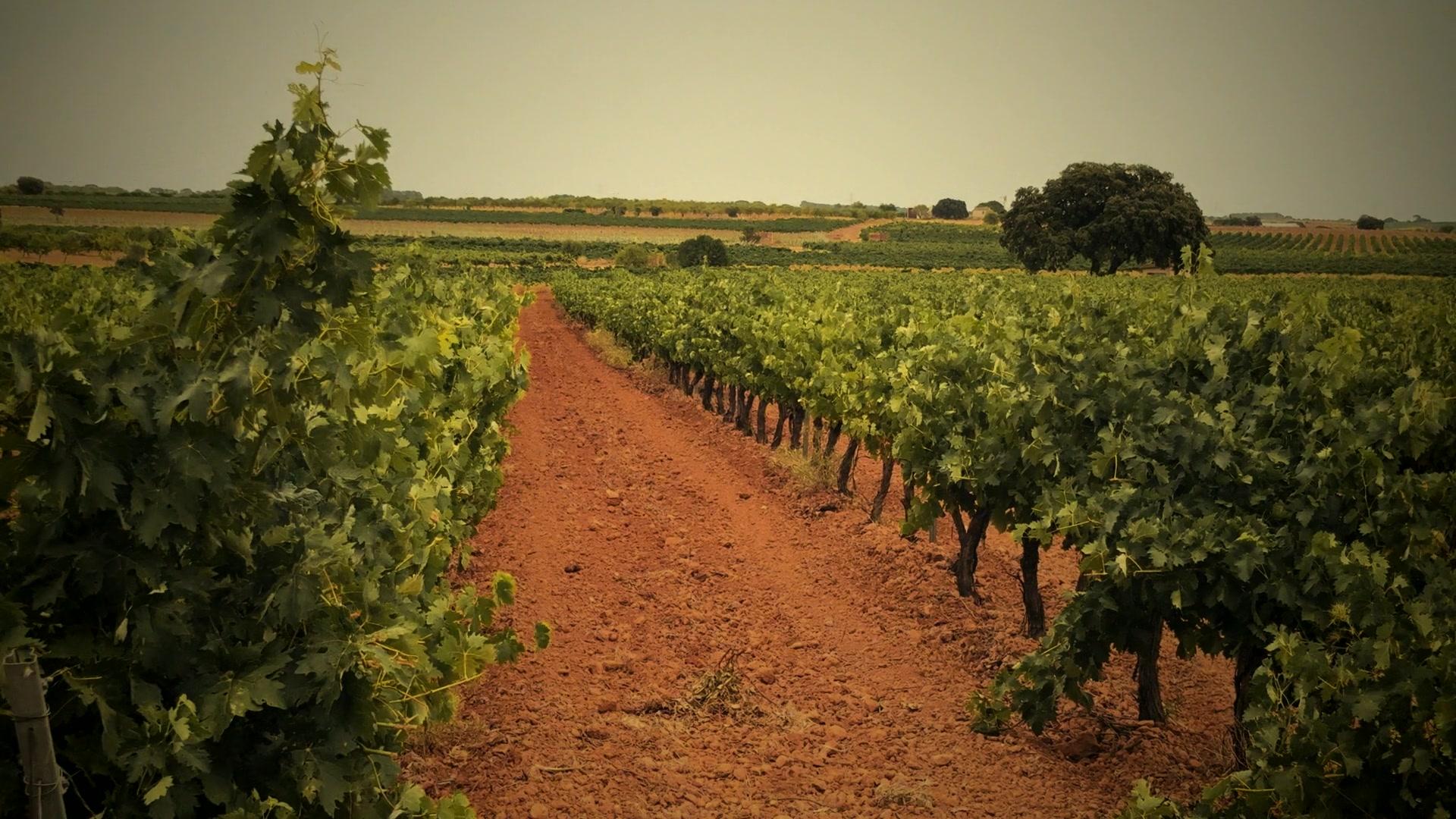
Bobal is a red grape variety strongly associated with eastern Spain, particularly DO Manchuela, where it is used to produce both rosé and red wines. It is worth exploring for international wine buyers who want a Spanish offering with a clear regional identity, fresh fruit-driven rosé styles, and structured reds that bring something different to a familiar wine list.
Where does Bobal come from?
La Manchuela is situated between the Júcar and Cabriel river valleys in the provinces of Albacete and Cuenca, in Castilla-La Mancha. The region’s continental conditions, Mediterranean influence, and varied vineyard elevations shape the context in which Bobal is grown. Official regional tourism material identifies Bobal as a characteristic indigenous variety of the appellation. [1]
The 2026 Castilla-La Mancha regulatory description of the Manchuela wine area highlights clay-and-limestone soils, warm days, cooler nights, and the importance of Bobal to the region. It describes vineyards across approximately 600–1,100 metres above sea level, although individual sites vary considerably. That context is useful for understanding the grape, but it does not mean every bottle will taste alike. [2]
Manchuela is an EU protected designation of origin (PDO), also known in Spain as a denominación de origen (DO). For an importer, the designation provides a defined geographic and production framework. The exact label and documentary requirements should still be checked against the wine and destination market. [3]
What does Bobal wine taste like?
Bobal rosé: bright, aromatic and fresh
Official Manchuela descriptions highlight rosés with vivid strawberry-toned color and fruit-and-floral notes that can include strawberry, raspberry, watermelon, and violet. These are regional style descriptions rather than a guarantee for every producer or vintage. The practical appeal is a rosé that can be presented through its grape and origin, not only its color. [2]
Bobal red: fruit, structure and character
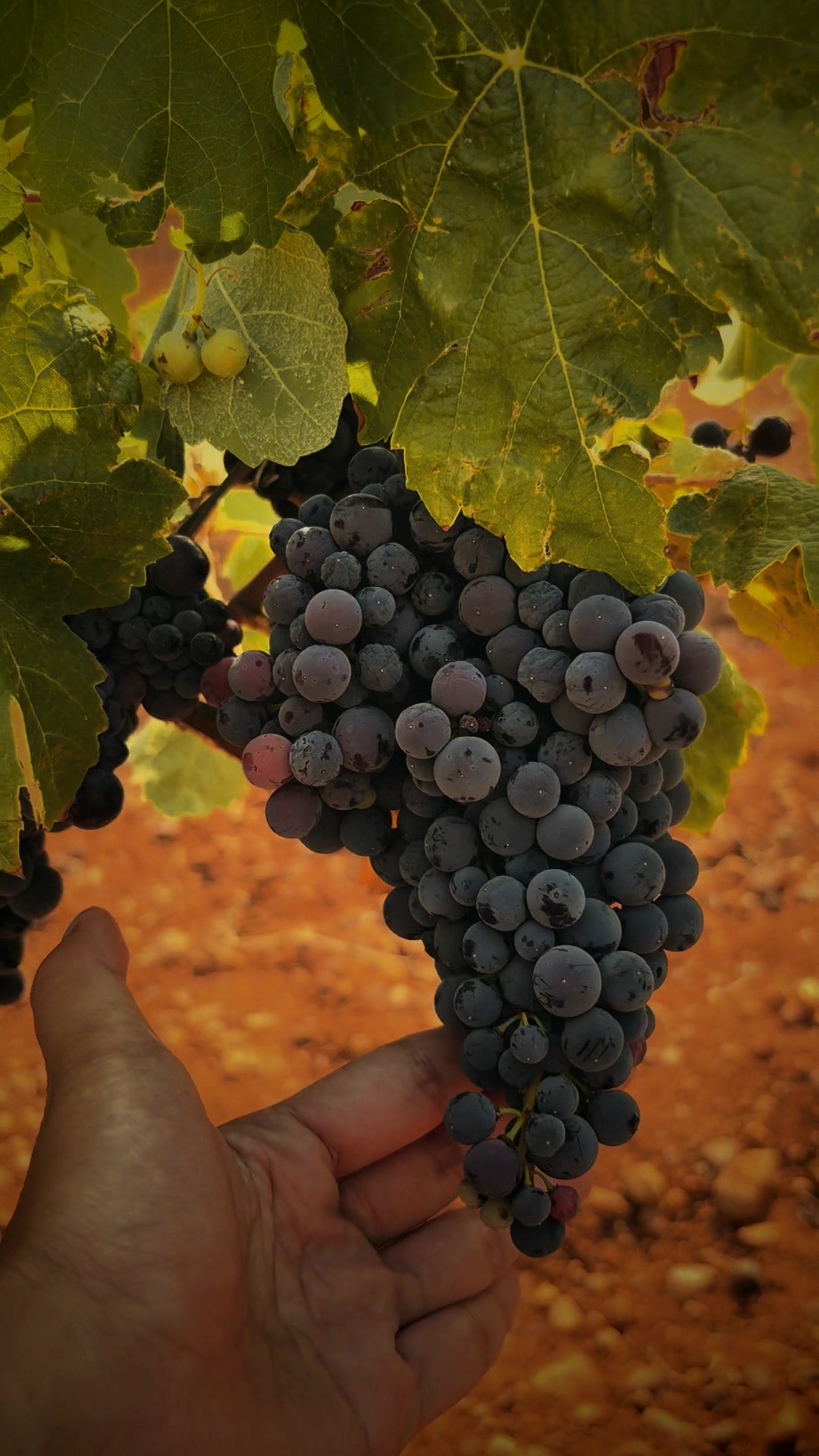
Red wines made from Bobal can show dark-fruit character, noticeable color, acidity, and tannic structure. The region’s wine information and independent regional descriptions both discuss black-fruit profiles and the suitability of some Bobal reds for aging. Extraction, blending, oak use, and the producer’s style can produce very different results, so tasting the specific wine remains essential. [4]
What makes Bobal distinctive for international buyers?
The opportunity is not simply to offer a grape that feels unfamiliar. It is to connect a product with a meaningful story: a place, a growing tradition, and a recognizable set of styles. In a crowded Spanish-wine selection, an origin-specific Bobal can invite the customer to discover something beyond the most widely known varieties.
- For a restaurant wine list: a sommelier can explain the grape and place in a short, memorable description.
- For hotels and resorts: a Bobal rosé or red may add variety to a Spanish-focused offering, subject to tasting and service suitability.
- For cruise or high-volume hospitality buyers: format, glass-pour consistency, replenishment, and logistics matter as much as storytelling.
- For specialty retailers: clear origin, label presentation, producer information, and a considered tasting profile help explain the purchase.
For a buyer, Bobal is more than a new grape name. It is a way to introduce a specific Spanish origin and a distinctive story to the wine list.
How should buyers evaluate a Bobal wine for a portfolio?
1. Decide which customer and occasion you are buying for
Is the wine intended for by-the-glass service, a curated wine pairing, a retail shelf, a welcome amenity, or a private-label proposition? This decision should come before style, format, or price negotiations.
2. Taste the exact wine, not just the grape variety
Ask for samples, vintage, alcohol by volume, technical specifications, and a description of the winemaking approach. Taste against the intended menu and comparable products. A light, energetic rosé and an oak-influenced red may both be Bobal, but they solve different buyer needs.
3. Confirm appellation, producer and label information
Request the wine’s DO/PDO status where claimed, producer details, approved label information, origin documentation, and any export documentation relevant to the destination. Ensure that marketing language on menus or packaging accurately represents the wine rather than assuming all Bobal comes from Manchuela.
4. Compare formats and service realities
Standard bottles are familiar for table service and retail presentation. Bag-in-box can be relevant in some higher-volume service contexts, but the decision should depend on wine style, packaging specifications, dispensing setup, storage, and quality expectations. Avoid assuming that every wine in a supplier’s range is available in every format.
5. Review continuity and commercial terms
For repeat purchasing, ask about vintage changes, available volume, lead times, minimum orders, packaging language, delivery terms, and a process for approving substitutions. Good wine selection should be commercially workable after the tasting ends.
Bottle or bag-in-box: which works best?
The right answer depends on where the wine will be served. A bottle may suit a premium table-service ritual or retail display; a larger format may be useful where the service system supports it. Each option needs a clear technical and commercial review, including compatibility with the intended product, opening method, and storage conditions.
SOURCED & CO.’s 2026 capabilities deck describes access to DO Manchuela wine through an established producer, including bottled wine and selected 5 L and 15 L bag-in-box options, with existing-label or dedicated-presentation possibilities. Availability, current vintage, quantity, packaging, and export suitability should be confirmed in a quotation rather than assumed from a general capability statement.
A practical first brief for sourcing Bobal wine
- Preferred style: rosé, young red, aged red, or an open tasting comparison.
- Intended channel: hotel, restaurant, cruise, airline, retail, or distributor.
- Target customer, food pairing, and desired flavor profile.
- Expected annual or initial quantities and preferred purchase pattern.
- Required bottle size, closure, label language, and any larger-format interest.
- Destination market, target delivery window, and requested documentation.
- Whether you prefer an existing producer label or a dedicated presentation.
Where SOURCED & CO. fits
For buyers assessing Spanish wine for an international range, SOURCED & CO. can be the initial contact for discussing a Manchuela wine requirement, requesting suitable samples, clarifying presentation options, and bringing product and commercial questions into one conversation. The next step is not to commit to a style from a description; it is to compare the available wines with the needs of your customers.
Frequently asked buyer questions
Is Bobal a red or white grape?
Bobal is a red grape variety. It can be made into red wine or rosé, depending on the winemaking method.
Is all Bobal wine from DO Manchuela?
No. Bobal is closely associated with Manchuela, but the grape is grown in other wine-producing areas. Check the label and origin documentation for the specific wine.
What is the difference between Bobal rosé and Bobal red?
Rosé styles commonly emphasize vivid color, fruit and freshness, while red styles may bring darker fruit, more color, and tannic structure. The producer and wine-making choices affect the final result.
Can Bobal wine be sourced in bag-in-box?
Some producers offer selected wines in bag-in-box formats. Confirm the specific wine, available sizes, packaging, storage recommendations, and quantities with the supplier.
Sources and further reading
- Castilla-La Mancha Tourism. DO Manchuela: geography, Bobal and regional wine identity. View source
- Junta de Comunidades de Castilla-La Mancha (2026). Official Manchuela production-area description and Bobal profile. View source
- European Union / EUR-Lex (2026). Manchuela: protected designation of origin (PDO) information. View source
- Castilla-La Mancha Wine Information. Manchuela: wine styles, Bobal rosé and reds. View source
- SOURCED & CO. Corporate Capabilities, edition 2026, pp. 5, 7, 12.
Editorial note: Claims about SOURCED & CO. capabilities come from the company's 2026 capabilities deck. External sources support technical and market context; they do not independently certify SOURCED & CO. or its partners.
- Bobal wine
- DO Manchuela
- Spanish wine
- Wine procurement
- Wine & Beverages